

How to Become a Truck Dispatcher: A Beginner-Friendly Guide to the Real Workflow
If you are wondering how to become a truck dispatcher, this beginner-friendly guide will help you understand the real workflow, daily responsibilities, and skills needed to get started with confidence.
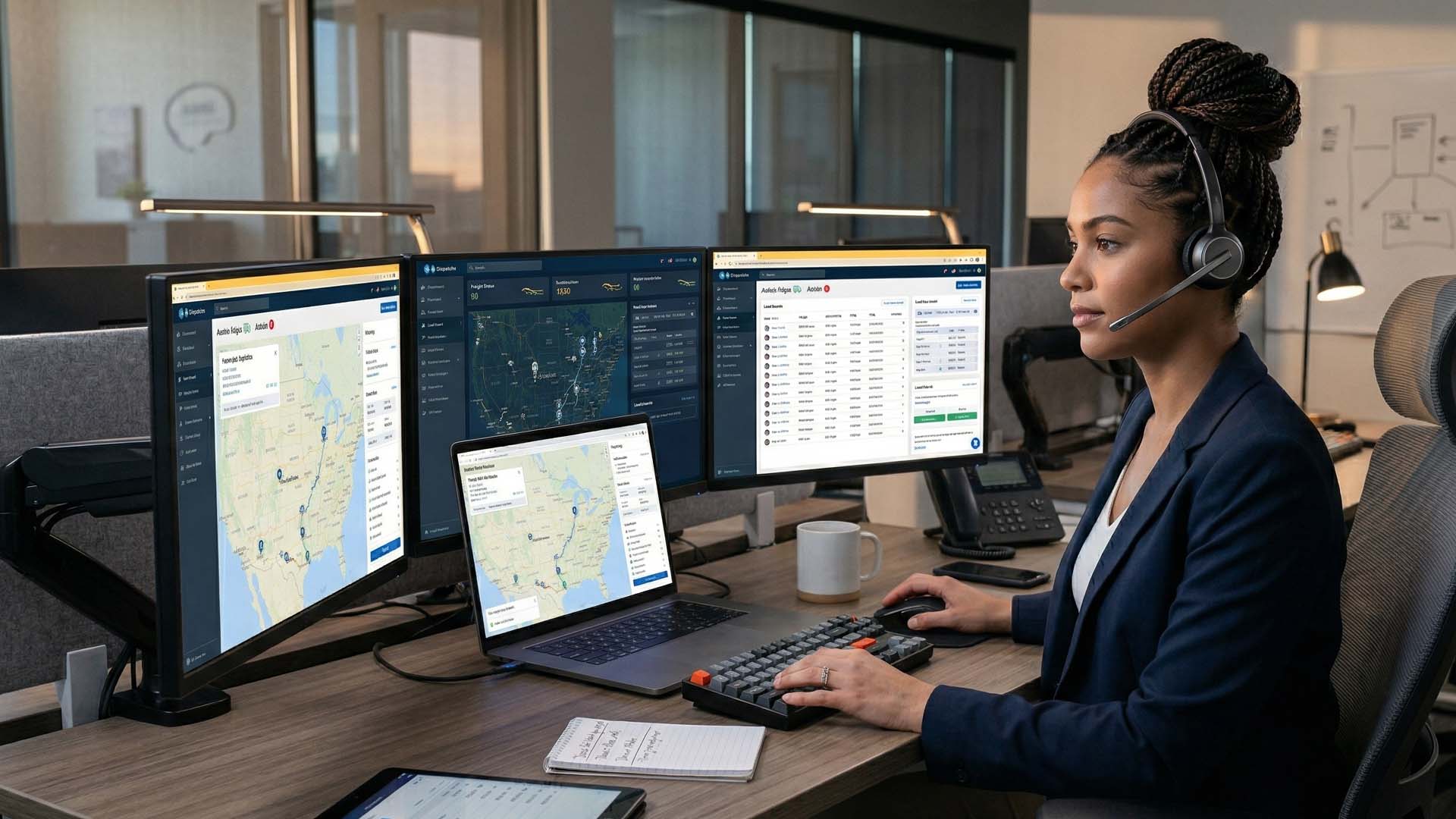
A lot of people hear about truck dispatching and think, “This sounds like a good career… but what do dispatchers actually do all day?” That’s where most beginners get stuck.
They don’t just need motivation — they need clarity. They want to understand the real workflow, the daily tasks, the tools used, and how to actually start without feeling lost.
A truck dispatcher plays a key role in the trucking industry by helping drivers stay loaded, organized, and on schedule. But if you’re just starting out, terms like load booking, ELD, HOS, route planning, and invoicing can feel confusing fast.
The good news? Dispatching is a skill you can learn step by step. Once you understand the process, it becomes much easier to see where you fit in and how to build confidence.
What Does a Truck Dispatcher Actually Do?
A truck dispatcher is the person who helps manage freight operations between drivers, brokers, and shippers. Their job is to keep trucks moving and make sure everything stays on track.
In simple words, a dispatcher helps with:
- Finding and booking loads
- Communicating with drivers
- Planning routes
- Tracking truck movement
- Managing delivery updates
- Handling paperwork like invoices and payroll
- Making sure dispatching follows rules like HOS and ELD
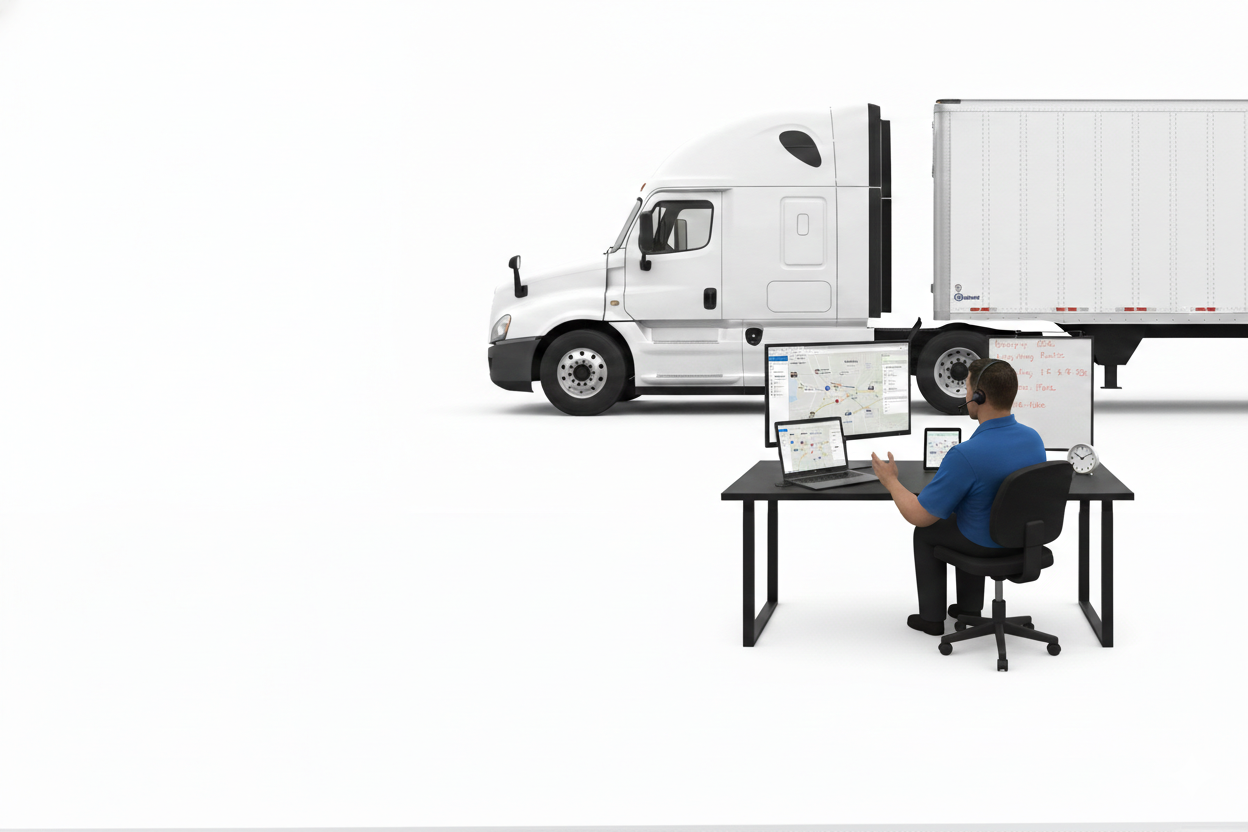
Think of a dispatcher like the control center behind a truck on the road.
Why So Many Beginners Struggle to Start
The biggest problem for aspiring dispatchers is not a lack of interest — it’s a lack of real-world understanding.
Many people ask:
- Where do I start?
- What should I learn first?
- How do loads get booked?
- How do dispatchers talk to drivers and brokers?
- What paperwork is involved?
- What happens after a load is booked?
These are important questions. And honestly, most beginners don’t get clear answers because a lot of online content only talks about earning potential instead of actual workflow.
The Real Workflow of a Truck Dispatcher
1. Finding Available Loads
Dispatchers usually check load boards and freight listings to look for loads that match truck type, trailer type, pickup and delivery locations, rate per mile, and driver availability.
2. Load Booking
After finding a good load, the dispatcher contacts the broker to book it. This includes confirming load details, rates, timing, and required documents.
3. Route Planning and Trip Setup
Once the load is booked, the dispatcher helps plan the route, fuel stops, rest breaks, delivery timing, and driver hours.
Why ELD and HOS Matter in Dispatching
ELD stands for Electronic Logging Device. It tracks a driver’s driving hours and duty status.
HOS means Hours of Service. These are the rules that limit how long a driver can drive and work before taking breaks or rest.
Dispatchers need to understand both before assigning or planning trips.
Driver Communication: A Big Part of the Job
A big part of dispatching is staying in touch with drivers throughout the trip.
- Sending load details
- Confirming pickup instructions
- Sharing route updates
- Checking delays
- Updating appointment times
- Helping solve issues on the road
Tracking and Load Updates
After a load is booked and moving, dispatchers often track progress to make sure everything is going according to plan.
- Checking truck location
- Monitoring pickup and delivery status
- Updating brokers or customers
- Following up on delays
- Making sure paperwork is completed after delivery
Paperwork Every Beginner Truck Dispatcher Should Know
- Rate confirmations
- Invoices
- Proof of delivery (POD)
- Carrier packets
- Payroll records
- Load confirmations
Skills You Need to Become a Truck Dispatcher
- Basic computer knowledge
- Good communication
- Attention to detail
- Problem-solving
- Time management
- Confidence in handling calls and messages
- Willingness to learn real workflows
How to Learn Truck Dispatching the Right Way
A beginner should focus on learning:
- How loads are found
- How loads are booked
- How routes are planned
- How drivers are managed
- How ELD and HOS affect dispatch decisions
- How tracking works
- How documents like invoices and payroll are handled
If you want to learn through practical examples and live training, you can explore our Truck Dispatch Training Course.
Common Mistakes Beginners Should Avoid
- Booking loads without checking all details
- Ignoring driver hours
- Poor communication with brokers or drivers
- Not understanding paperwork
- Choosing loads only by rate without checking trip practicality
- Jumping into dispatching without learning the full workflow
Is Truck Dispatching a Good Career for Beginners?
Yes — especially for people who enjoy communication, organization, and working behind the scenes in logistics.
Final Thoughts
Becoming a truck dispatcher is not about memorizing a few terms — it’s about understanding how the whole workflow fits together.
If you want to learn through practical examples and live training, explore our Truck Dispatch Training Course.