

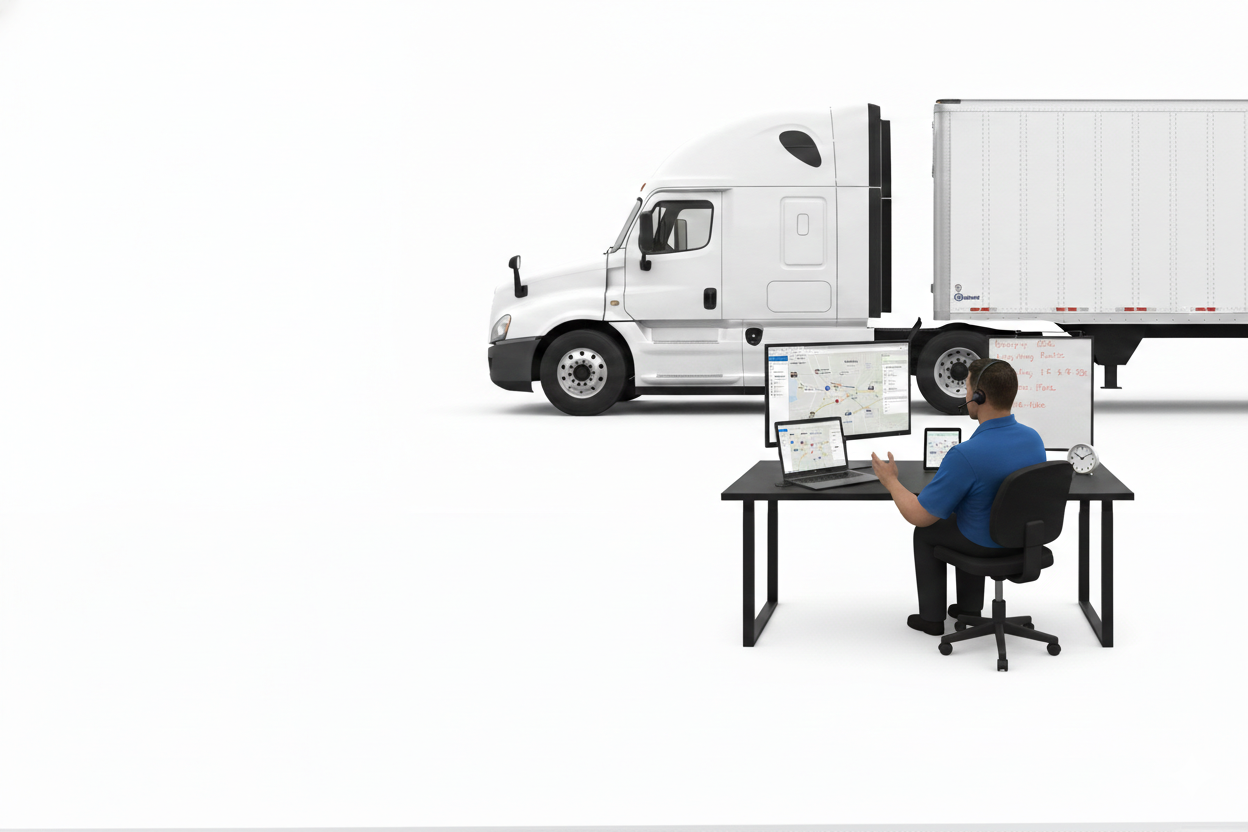
What Does a Truck Dispatcher Do? A Beginner’s Complete Guide
Learn what a truck dispatcher actually does and how they manage loads, routes, drivers, and freight operations every day.
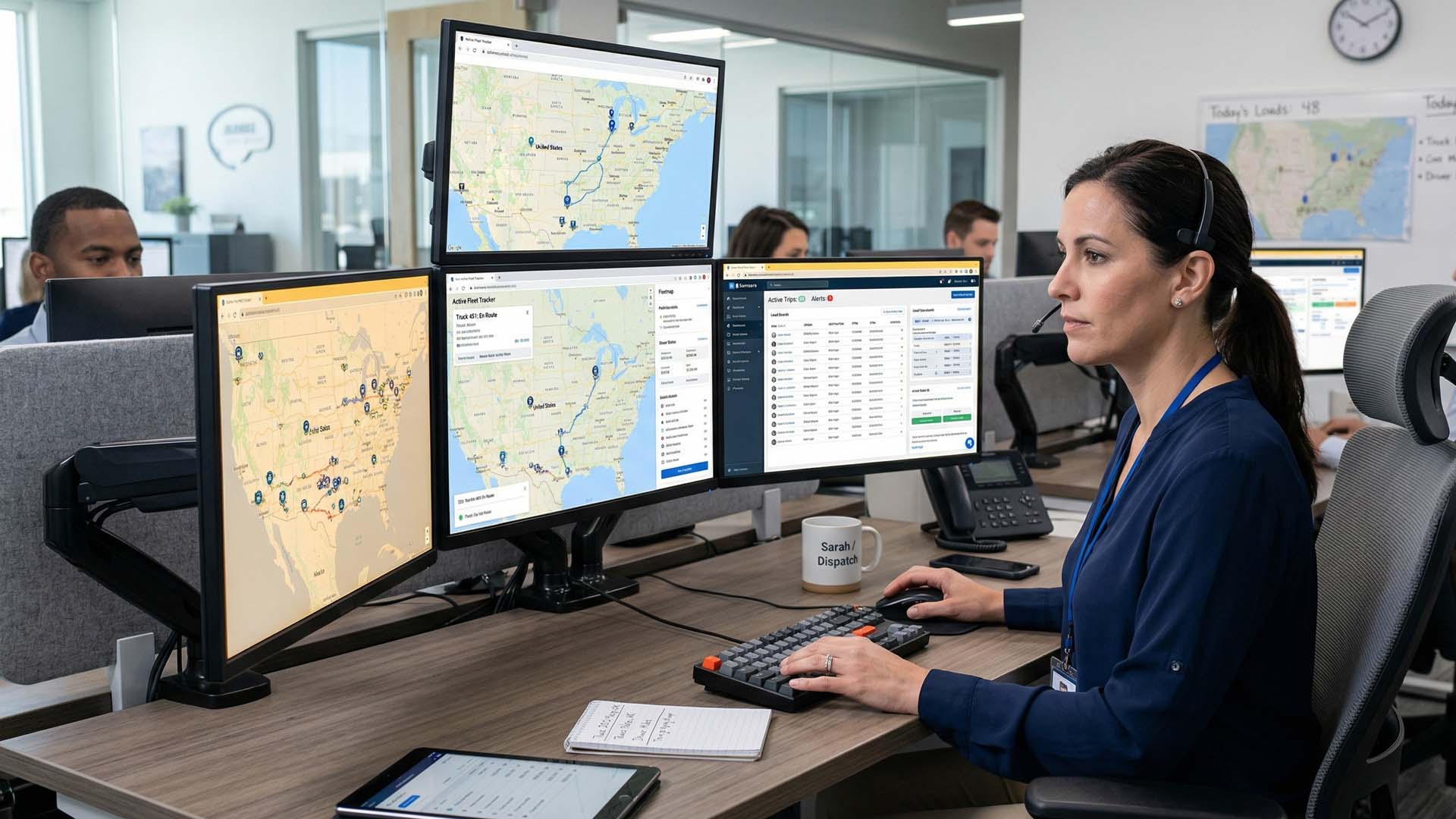
A truck dispatcher plays a key role in the trucking industry by managing communication and operations between drivers, brokers, shippers, and sometimes carriers. Their main goal is to keep trucks moving efficiently, reduce downtime, and make sure each trip is organized properly.
In simple words, a truck dispatcher helps drivers stay loaded, stay informed, and stay on schedule. While drivers focus on driving safely and completing deliveries, dispatchers focus on the business and planning side of the trip.
For beginners, dispatching can sound confusing at first because there are many moving parts involved. But once you understand the daily workflow, the job becomes much easier to follow.
Main Responsibilities of a Truck Dispatcher
A dispatcher handles several important tasks throughout the day. These responsibilities help ensure that freight moves smoothly and that drivers can complete trips without unnecessary confusion or delay.
- Finding and booking loads
- Communicating with drivers and brokers
- Planning routes and delivery schedules
- Tracking deliveries and load progress
- Handling paperwork and invoices
- Ensuring compliance with ELD and HOS rules
Each of these tasks may seem simple on its own, but together they form the real workflow of dispatching. A successful dispatcher knows how to stay organized and handle multiple moving parts at once.
Finding and Booking Loads
One of the most important parts of dispatching is finding suitable loads for a truck. Dispatchers usually search load boards or work with brokers to identify freight opportunities that match a driver’s truck type, trailer type, location, and schedule.
Once a good load is found, the dispatcher communicates with the broker to confirm the details. This may include checking pickup and delivery times, confirming the rate, reviewing instructions, and making sure the load fits the driver’s available hours and route.
Good load booking is not just about grabbing any load. A smart dispatcher looks for loads that make financial and practical sense for the driver or carrier.
Driver Communication and Coordination
Truck dispatching is also a communication-heavy role. Dispatchers stay in touch with drivers before, during, and sometimes after a trip. They help share load details, pickup instructions, route updates, appointment times, and any important changes.
If a driver is delayed because of traffic, weather, or loading issues, the dispatcher often needs to contact the broker or customer to provide updates. This helps avoid confusion and keeps the operation professional.
Clear communication is one of the most valuable skills in dispatching because small misunderstandings can create larger delivery issues later.
Route Planning and Trip Management
Another major part of a truck dispatcher’s job is route planning. Dispatchers often help plan the trip based on distance, fuel stops, rest breaks, and delivery timing.
They may also consider traffic conditions, weather, driver hours, and legal limitations before finalizing a plan. This is especially important because dispatching is not just about booking freight — it is about making sure the trip can actually be completed efficiently and legally.
Good route planning helps reduce delays, improve fuel efficiency, and support better overall operations.
Tracking Loads and Delivery Updates
Once a load is moving, the dispatcher often monitors its progress. This can include checking truck location, confirming pickup completion, tracking estimated arrival times, and following up on delivery status.
Dispatchers may also provide updates to brokers or customers if there are any delays or schedule changes. This helps maintain trust and keeps everyone informed throughout the freight movement process.
In many cases, this is where dispatching becomes very active and hands-on, because real-time communication matters a lot once the truck is on the road.
Paperwork and Back-End Tasks
Many beginners are surprised to learn that truck dispatching also includes paperwork and administrative tasks. This is a normal part of the workflow and an important one.
Common dispatch-related documents may include rate confirmations, carrier packets, invoices, proof of delivery (POD), load confirmations, and sometimes payroll-related information.
Keeping these documents organized helps the business run smoothly and ensures there are no delays in billing, record-keeping, or communication.
Why ELD and HOS Matter in Dispatching
A truck dispatcher should also understand ELD and HOS because these directly affect trip planning and legal compliance.
ELD stands for Electronic Logging Device. It tracks a driver’s driving hours and duty status. HOS means Hours of Service, which are the legal rules that control how long a driver can drive and work before taking rest.
This matters because a dispatcher cannot simply assign any load at any time. The driver must have enough legal hours available to complete the trip safely and correctly.
That is why dispatchers need more than just communication skills — they also need operational awareness.
Skills Required to Become a Truck Dispatcher
You do not need to know everything on day one to become a truck dispatcher. However, there are several helpful skills that make the learning process much easier.
- Good communication skills
- Problem-solving ability
- Time management
- Basic computer knowledge
- Attention to detail
- Confidence while handling calls and messages
- Willingness to learn real dispatch workflows
Most beginners improve these skills over time. A lot of dispatching confidence comes from seeing how the workflow works in real situations.
Is Truck Dispatching a Good Career?
For many people, yes — especially if they enjoy organization, communication, and logistics work. Truck dispatching can be a good entry point into the trucking and freight industry without becoming a driver.
It also helps you understand how transportation businesses operate, which can open the door to more opportunities later, including brokerage, back-office support, and logistics coordination.
Final Thoughts
Truck dispatchers do much more than just book loads. They help manage communication, routes, freight planning, compliance, tracking, and paperwork — all of which keep trucking operations moving efficiently.
If you are a beginner trying to understand this career, learning the daily workflow is the best place to start. Once you understand how dispatching works in the real world, the job becomes much easier to learn and practice.