Learn the difference between FTL, LTL, and partial loads in trucking including freight transportation, trailer usage, load booking workflow, and dispatching basics.
- R1 Brokerage & Dispatch School -Different freight load types are used in the trucking industry depending on shipment size, trailer space, freight weight, and transportation requirements during dispatch workflow operations.
FTL (Full Truckload) means a shipment uses the entire trailer space for one customer or one freight shipment during transportation operations.
Learn Load BookingLTL (Less Than Truckload) involves smaller freight shipments where multiple customers share trailer space during freight transportation workflow.
Broker CommunicationPartial loads use only part of the trailer space but usually involve larger freight shipments than standard LTL transportation operations.
Trailer Types GuideEach freight load type operates differently in trucking transportation depending on shipment size, trailer usage, freight handling, and dispatch workflow requirements.
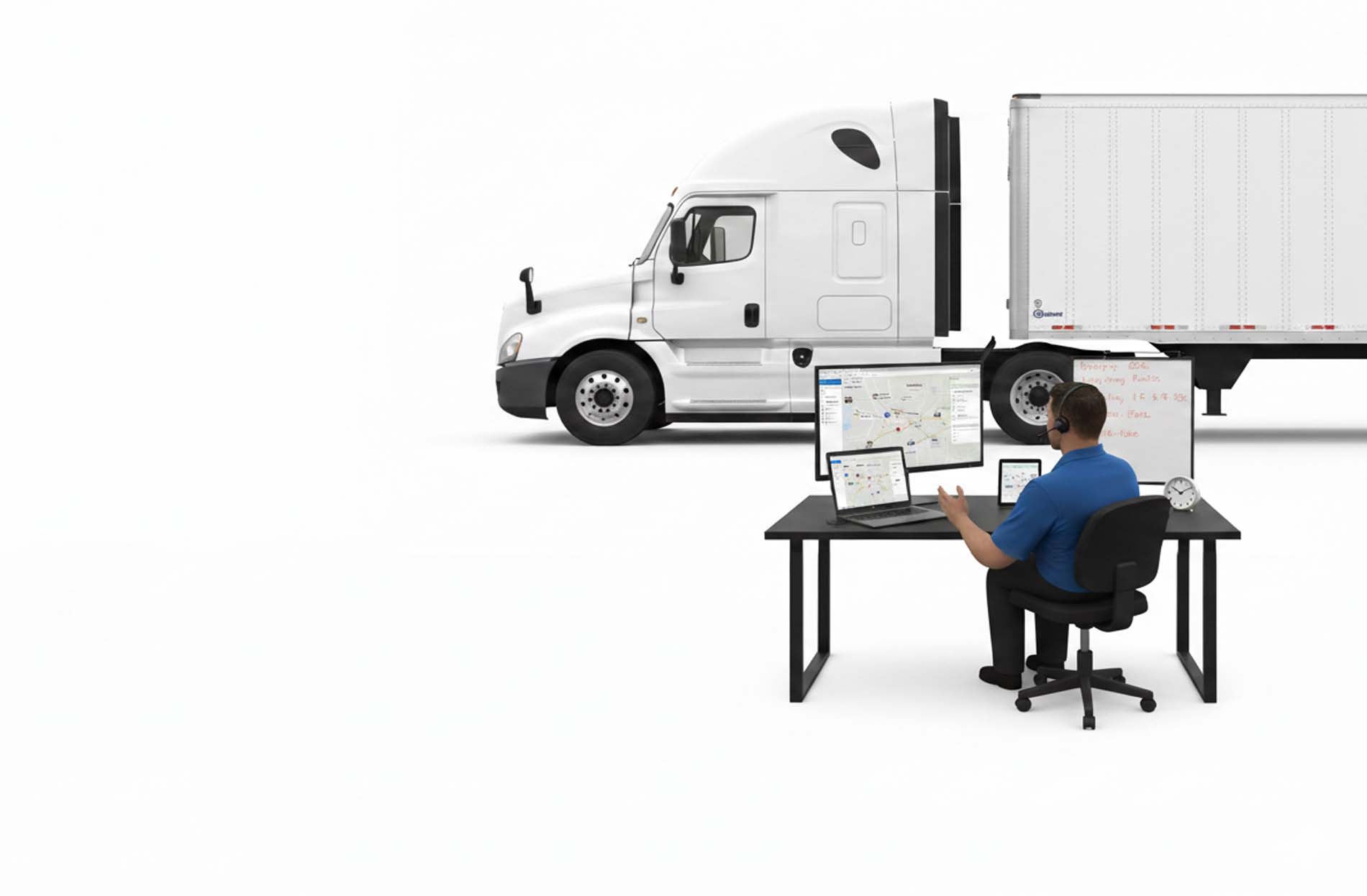
Truck dispatchers work with different freight load types depending on trailer space, shipment size, transportation requirements, and freight coordination workflow in the trucking industry.
Understanding the difference between FTL, LTL, and partial loads helps dispatchers improve load booking operations, transportation planning, and communication with carriers and brokers.
Different freight types may require different levels of broker communication during dispatch operations.
Freight load type can influence route planning, delivery stops, and transportation workflow efficiency.
Different trailer types may be used depending on freight size and shipment requirements.
Each freight transportation method offers different advantages depending on shipment size, trailer usage, delivery requirements, and trucking workflow operations.
Understanding freight load types helps beginner dispatchers improve transportation workflow, freight coordination, and carrier communication skills.
FTL, LTL, and partial loads are commonly used in the USA trucking industry during freight transportation and dispatch workflow operations. Understanding these freight types helps dispatchers improve load coordination, transportation planning, and communication with brokers and carriers.
During load booking operations, dispatchers may work with different shipment sizes, trailer requirements, and freight transportation conditions depending on the type of load being moved.
Understanding FTL, LTL, and partial loads is an important part of truck dispatching operations. Beginner dispatchers should also learn freight coordination, transportation workflow, broker communication, route planning, and practical load booking operations used in the USA trucking industry.
Practical dispatch training helps students understand freight transportation basics, carrier operations, trailer usage, and transportation workflow management during real dispatch operations.
Learn transportation workflow and practical freight handling operations.
Understand communication workflow used during freight dispatch operations.
Learn transportation route management and dispatch workflow basics.
Understand different trailer types used during freight transportation.
Here are some common beginner questions related to freight transportation, trucking operations, and dispatch workflow.
FTL (Full Truckload) means one shipment uses the full trailer space during freight transportation operations.
LTL (Less Than Truckload) involves smaller freight shipments where multiple customers share trailer space during transportation workflow.
Partial loads use only part of the trailer space and usually involve larger shipments than standard LTL freight transportation.
Understanding freight load types helps dispatchers improve load booking workflow, transportation planning, and freight coordination operations.
Yes, different trailer types are used depending on freight size, shipment requirements, and transportation conditions.
Beginners can learn practical truck dispatch training, freight coordination, transportation workflow, and broker communication through professional training programs.