Train Like a Real Dispatcher
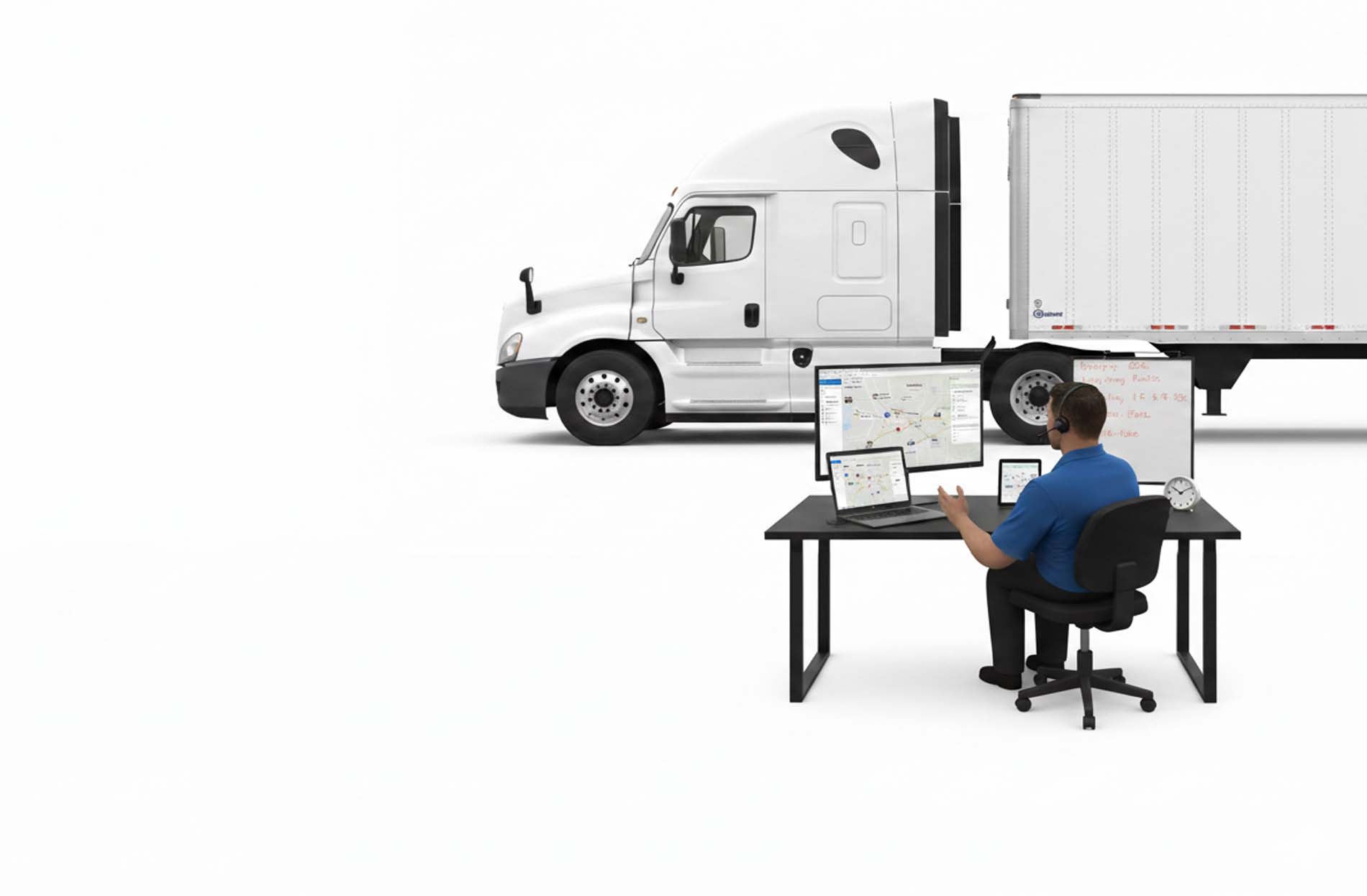
Our practical course is built for students who want real dispatch experience using live tools, real workflow, and market-based training.
You will practice load searching, broker communication, lane selection, rate negotiation, paperwork handling, and daily dispatch operations. Students also learn professional communication habits, confidence building, and how to handle common dispatch situations during daily operations. Students gain practical confidence through guided exercises and real dispatch workflow examples.
This course helps students gain confidence to work professionally with carriers and owner operators.
Enroll Now WhatsApp
What You Learn in Practical Course
Load Searching
Practice finding loads using DAT, Truckstop, and load board filters.
Broker Calling
Learn professional broker communication and load inquiry process.
Rate Negotiation
Practice negotiating stronger freight rates with brokers.
Route Planning
Plan efficient trips using timing, fuel, and lane strategy.
Paperwork Handling
Work with rate confirmations, BOLs, PODs, and invoices.
Career Readiness
Prepare for remote dispatch jobs or independent dispatch work.
Explore Truck Dispatch Training Programs Across India
Join practical truck dispatch training programs across India designed for beginners preparing for truck dispatcher jobs, freight broker workflow, freelancing, and real-world USA & Canada logistics operations using modern dispatch software systems and practical workflow learning.
Common Questions
Is this course live practical training?
Yes. Students learn using real tools, real workflow, and hands-on exercises.
Can beginners join this course?
Yes. Beginners can join, though theory knowledge is helpful.
Will I use DAT load board?
Yes. Practical sessions may include load board workflow and live examples.
Can this help me start working?
Yes. The course is designed to build real dispatch confidence and job-ready skills.
Who Should Join This Practical Course?
This course is ideal for beginners, job seekers, owner operators, and anyone who wants real dispatch experience. Practical training focuses on tools, communication, and live workflow situations.
Students build confidence through step-by-step learning and realistic exercises.
Why Practical Training Matters
Practical dispatch training gives students real confidence by using live examples, common broker scenarios, paperwork handling, and load board workflow. Instead of theory only, students understand how daily dispatch operations actually work.