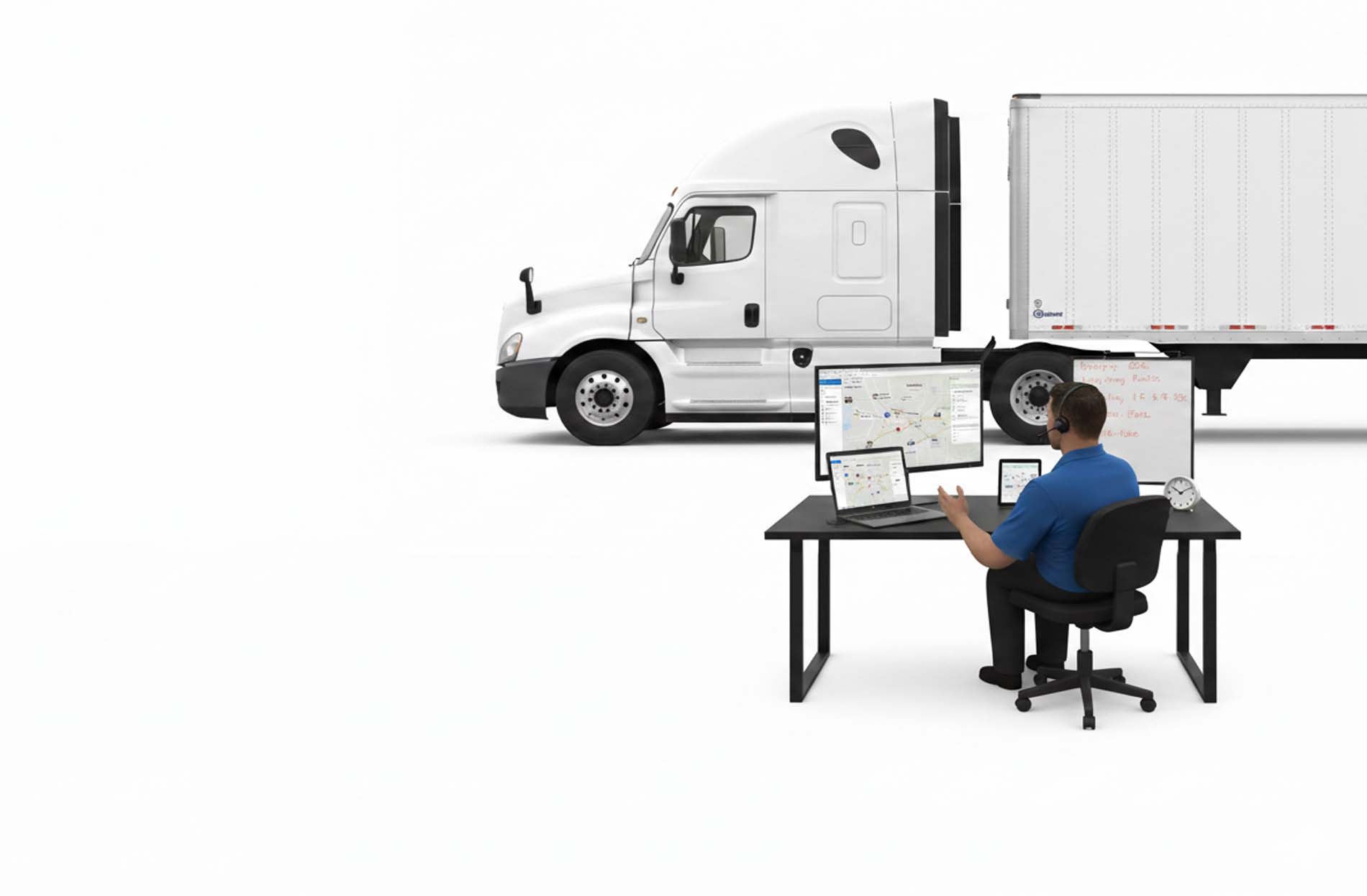
Learn what fuel surcharge means in trucking, why it is charged, how it works in freight transportation, and why truck dispatchers should understand fuel surcharge basics.
- R1 Brokerage & Dispatch School -Fuel surcharge is an extra amount added to freight rates to help carriers manage changing diesel fuel prices during trucking operations. In the transportation industry, fuel costs can change regularly, especially during long-distance freight movement and heavy load transportation.
Because fuel is one of the biggest operational expenses in trucking, carriers and freight brokers often include fuel surcharge as part of the overall freight rate. This helps maintain smoother transportation operations during changing market conditions.
Fuel prices regularly increase and decrease in the trucking industry, affecting freight transportation costs.
Fuel surcharge may become part of the total freight rate during load booking and transportation operations.
Understanding fuel surcharge helps dispatchers improve communication during load booking and broker discussions.
Fuel surcharge plays an important role during freight movement, rate discussions, carrier operations, and transportation planning in the USA trucking industry.
During broker communication, fuel surcharge may become part of freight rate discussions between carriers and brokers.
Understanding fuel-related costs helps dispatchers during load booking operations and freight coordination workflow management.
Fuel expenses can increase during long-distance transportation and poor route planning operations.
Different trailer types may consume fuel differently depending on freight weight and transportation conditions.
Fuel planning also connects with ELD and HOS regulations during long-haul trucking operations.
Basic fuel surcharge understanding improves overall truck dispatching workflow knowledge for beginners entering the trucking industry.
Multiple transportation and freight-related factors can influence fuel surcharge during trucking operations. Dispatchers should understand these basic factors while handling freight coordination and load management workflow.
Changes in diesel fuel prices are one of the biggest reasons fuel surcharge rates may increase or decrease during freight transportation operations.
Longer transportation routes often create higher fuel consumption during route planning and freight movement operations.
Different trailer types may impact fuel usage depending on freight weight and transportation conditions.
Heavy freight loads can increase fuel consumption during long-distance trucking operations and freight transportation workflow.
Transportation market demand, freight availability, and carrier operations may also affect overall fuel surcharge discussions during broker communication.
Proper load booking and transportation planning can help improve freight efficiency during trucking operations.
Fuel surcharge is an important part of freight transportation workflow in the USA trucking industry. Even though dispatchers may not always calculate fuel surcharge directly, understanding its basics helps improve communication, freight coordination, and load management operations.
During broker communication, dispatchers may hear discussions related to fuel costs, transportation expenses, and freight profitability. Basic fuel surcharge knowledge helps dispatchers better understand trucking market conditions and transportation workflow operations.
Fuel surcharge discussions may become part of load booking and freight negotiation workflow.
Transportation costs and fuel expenses can influence overall freight profitability during trucking operations.
Proper route planning and dispatch workflow can support fuel efficiency during freight movement.
Fuel costs can create different operational challenges during freight transportation and dispatch workflow management in the trucking industry.
Rapid diesel price fluctuations can affect transportation expenses and freight operations during long-distance load movement.
Poor route planning and inefficient transportation routes may increase overall fuel consumption.
Fuel surcharge conversations may become part of broker communication and freight coordination workflow.
Heavy loads and certain trailer types may consume more fuel during transportation operations.
Traffic delays, detention time, and waiting periods can increase fuel usage during freight transportation workflow.
Proper load booking and freight coordination can help improve transportation efficiency.
Beginner dispatchers should understand basic fuel-related concepts to improve freight coordination, transportation planning, and trucking workflow communication.
Learn how freight rates, fuel costs, and transportation expenses work together during load booking operations.
Professional broker communication helps dispatchers better understand freight discussions and transportation workflow.
Proper route planning can help improve transportation efficiency and reduce unnecessary fuel usage.
Different trailer types may operate differently during freight transportation and load movement.
Basic knowledge of ELD and HOS regulations helps dispatchers manage transportation workflow more effectively.
Understanding truck dispatching operations helps beginners build stronger industry knowledge and communication skills.
Join professional truck dispatch training programs designed to help students understand practical USA & Canada trucking workflow, freight coordination, dispatch software systems, broker communication, and real dispatch operations through industry-focused practical learning.
Understanding fuel surcharge is only one small part of truck dispatching operations. Beginner dispatchers should also learn load booking, broker communication, route planning, freight coordination, transportation workflow, and USA trucking industry operations.
Our truck dispatch training program helps students understand practical dispatch workflow, transportation coordination, and freight management basics used in the USA trucking industry.
Here are some commonly asked beginner questions related to fuel surcharge, freight transportation, and truck dispatching workflow.
Fuel surcharge is an extra amount added to freight rates to help carriers manage changing diesel fuel prices during trucking operations and transportation workflow.
Fuel surcharge helps carriers handle fuel-related operational expenses during long-distance freight transportation and changing market fuel conditions.
Yes, basic fuel surcharge knowledge helps dispatchers during broker communication, freight coordination, and transportation workflow operations.
Yes, proper route planning can help improve transportation efficiency and reduce unnecessary fuel consumption during freight operations.
Different trailer types may affect fuel usage depending on freight weight, distance, and transportation conditions.
Beginners can learn practical dispatch workflow, truck dispatch training, freight coordination, and transportation basics through professional training programs.