

Understanding ELD and HOS in Truck Dispatching
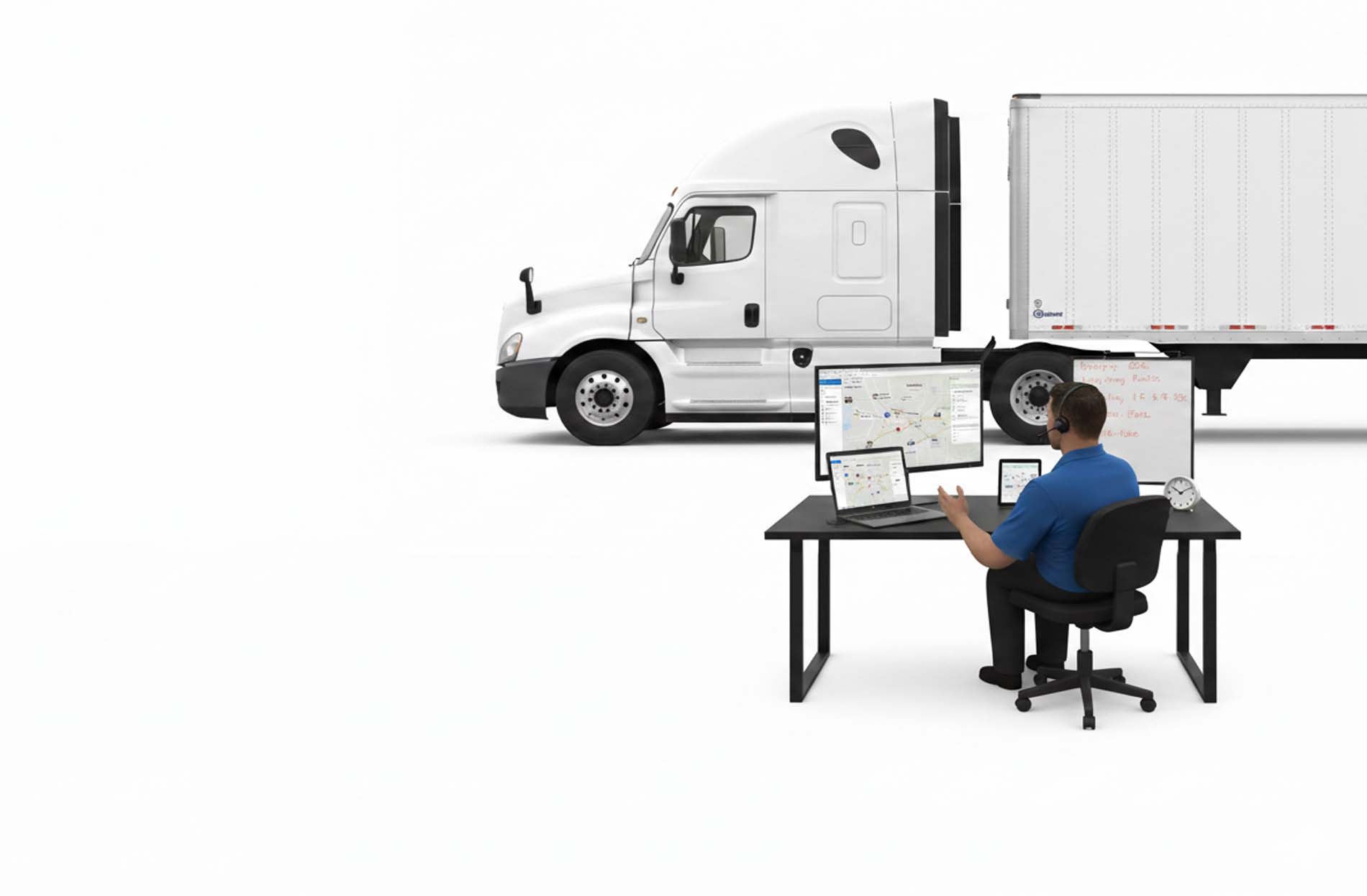
ELD and HOS are two of the most important concepts in truck dispatching. Dispatchers must understand driver working hours, rest limits, and compliance rules to plan trips safely and legally.
ELD (Electronic Logging Device) automatically records a driver’s working hours, while HOS (Hours of Service) rules define how long a driver can drive and when they must rest.
Understanding these rules helps dispatchers avoid violations, reduce delays, and ensure smooth operations for both drivers and carriers.
What Is ELD in Trucking?
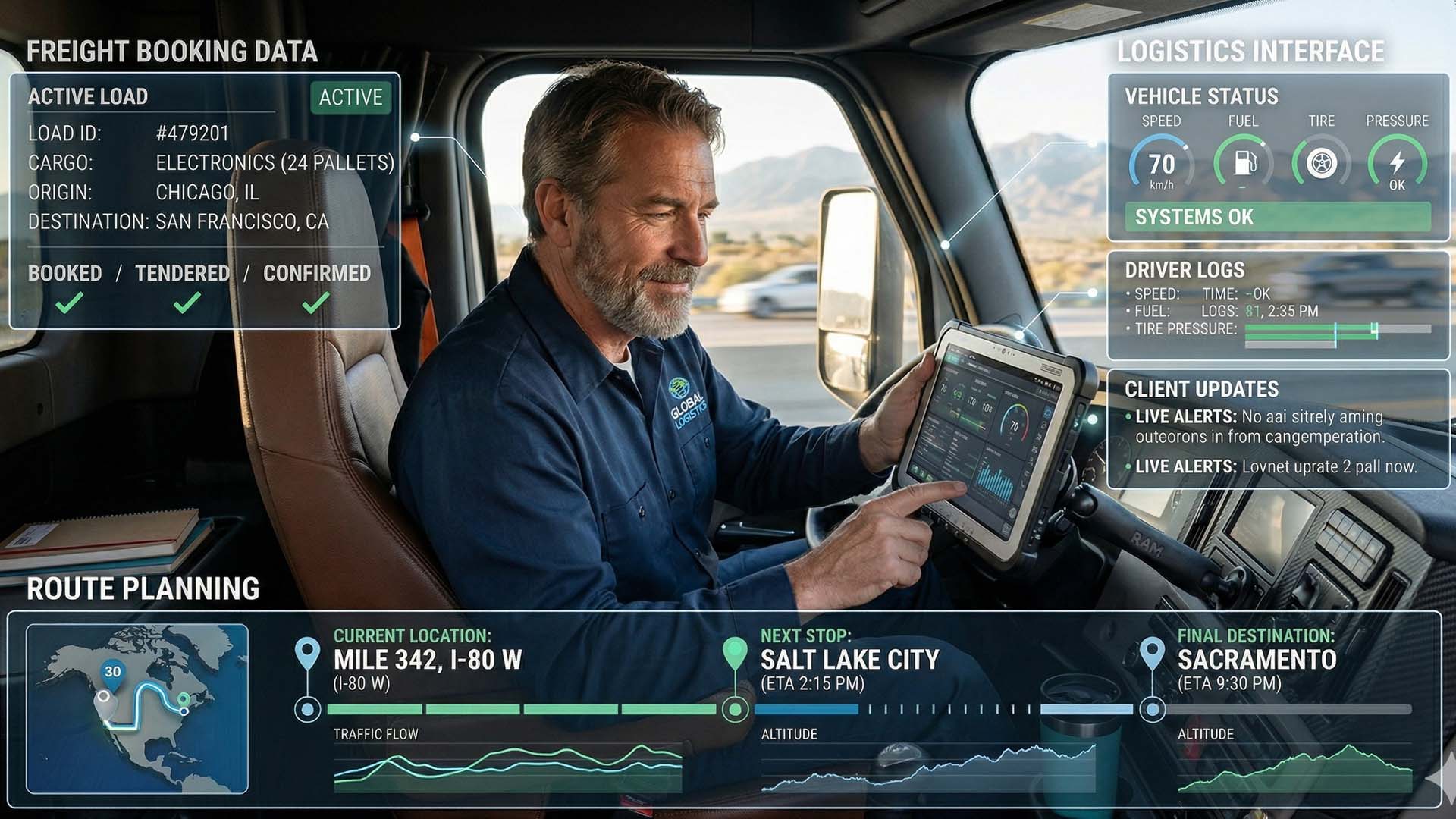
An Electronic Logging Device (ELD) is a system used to track a driver's working hours automatically. It connects to the truck’s engine and records driving time, engine hours, and movement.
ELDs replace manual logbooks and help ensure accurate tracking of driver activity. Dispatchers rely on ELD data to monitor driver availability and plan trips accordingly.
What Are HOS Rules?
Hours of Service (HOS) rules are government regulations that limit how many hours a truck driver can drive and work in a day or week.
These rules are designed to prevent driver fatigue and improve road safety. Dispatchers must follow these limits when assigning loads and planning routes.
Key HOS Rules Every Dispatcher Should Know
11-Hour Driving Limit
Drivers can drive a maximum of 11 hours after taking 10 consecutive hours off duty.
14-Hour Duty Limit
Drivers cannot drive beyond 14 hours after coming on duty, even if they haven’t completed 11 driving hours.
30-Minute Break Rule
Drivers must take a 30-minute break after 8 hours of driving.
60/70-Hour Weekly Limit
Drivers cannot drive after 60 or 70 hours on duty in 7 or 8 consecutive days.
Why ELD and HOS Are Important in Dispatching
Dispatchers use ELD and HOS data to plan trips efficiently, avoid violations, and ensure drivers stay within legal limits.
Without proper planning, drivers may run out of hours before delivery, causing delays and penalties.
Understanding these rules helps dispatchers build realistic schedules and maintain compliance.
Common Mistakes Beginners Make
Many beginners ignore HOS limits while booking loads, leading to delays and violations. Others fail to check available driving hours before assigning trips.
Successful dispatchers always review driver hours before confirming loads.
Learn More About Truck Dispatching
- How load booking works in truck dispatching
- What a truck dispatcher does daily
- How to become a truck dispatcher step by step
Frequently Asked Questions
What is ELD in trucking?
ELD is an electronic device that records a driver’s working hours automatically.
What are HOS rules?
HOS rules limit how long a driver can drive and work to ensure safety and compliance.
Why are HOS rules important?
They prevent driver fatigue and help dispatchers plan safe and legal trips.
Do dispatchers need to know ELD?
Yes, dispatchers use ELD data to track driver availability and plan loads properly.