

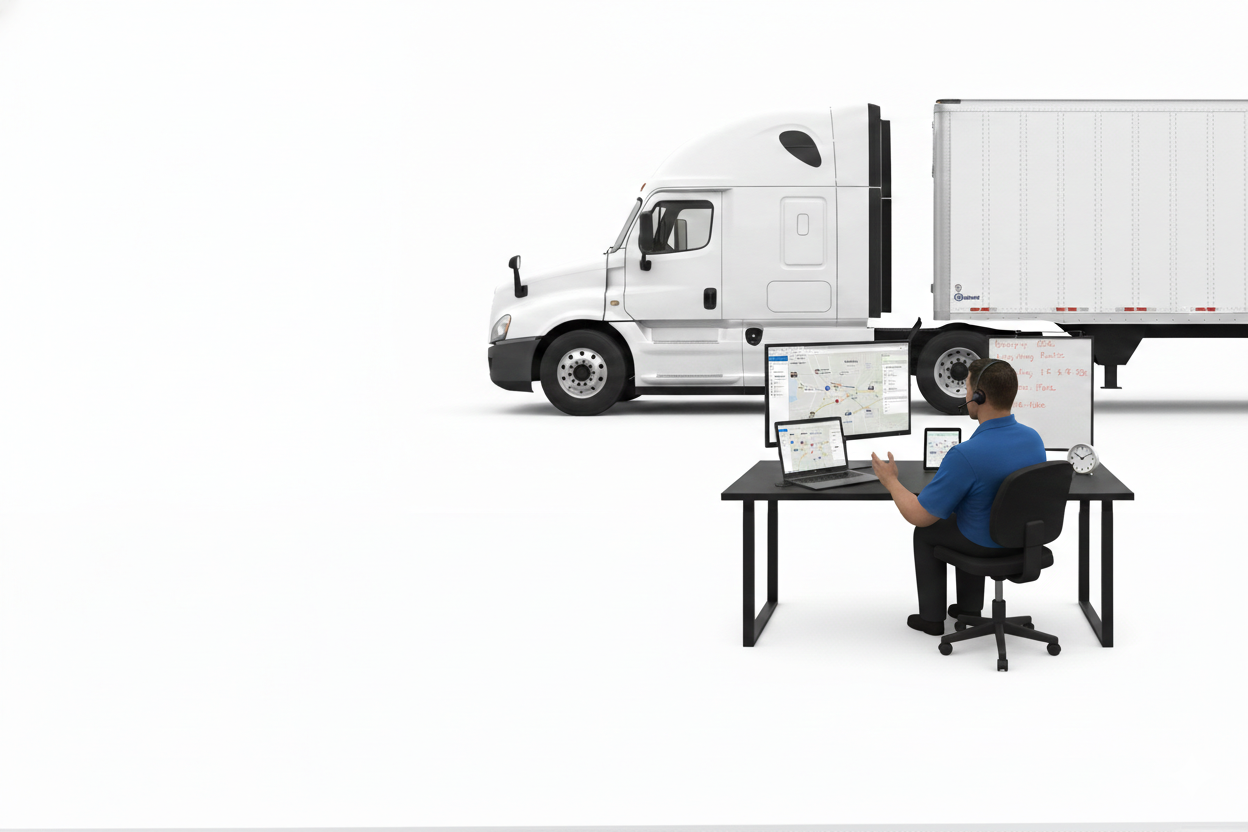
Step-by-Step Guide for Beginners
Load booking is one of the most important tasks in truck dispatching. It is the process of finding a suitable load, reviewing its details, contacting the broker, negotiating the rate, and confirming the trip for a carrier. For beginners, understanding how load booking works is essential because it directly affects driver schedules, carrier profits, and dispatch workflow.
If you are new to dispatching, it also helps to understand what a truck dispatcher does, how ELD and HOS work, and how to become a truck dispatcher step by step.
In this guide, you will learn how load booking works in truck dispatching step by step, including what dispatchers look for before accepting a load and how they communicate with brokers during the process.
What Is Load Booking in Truck Dispatching?
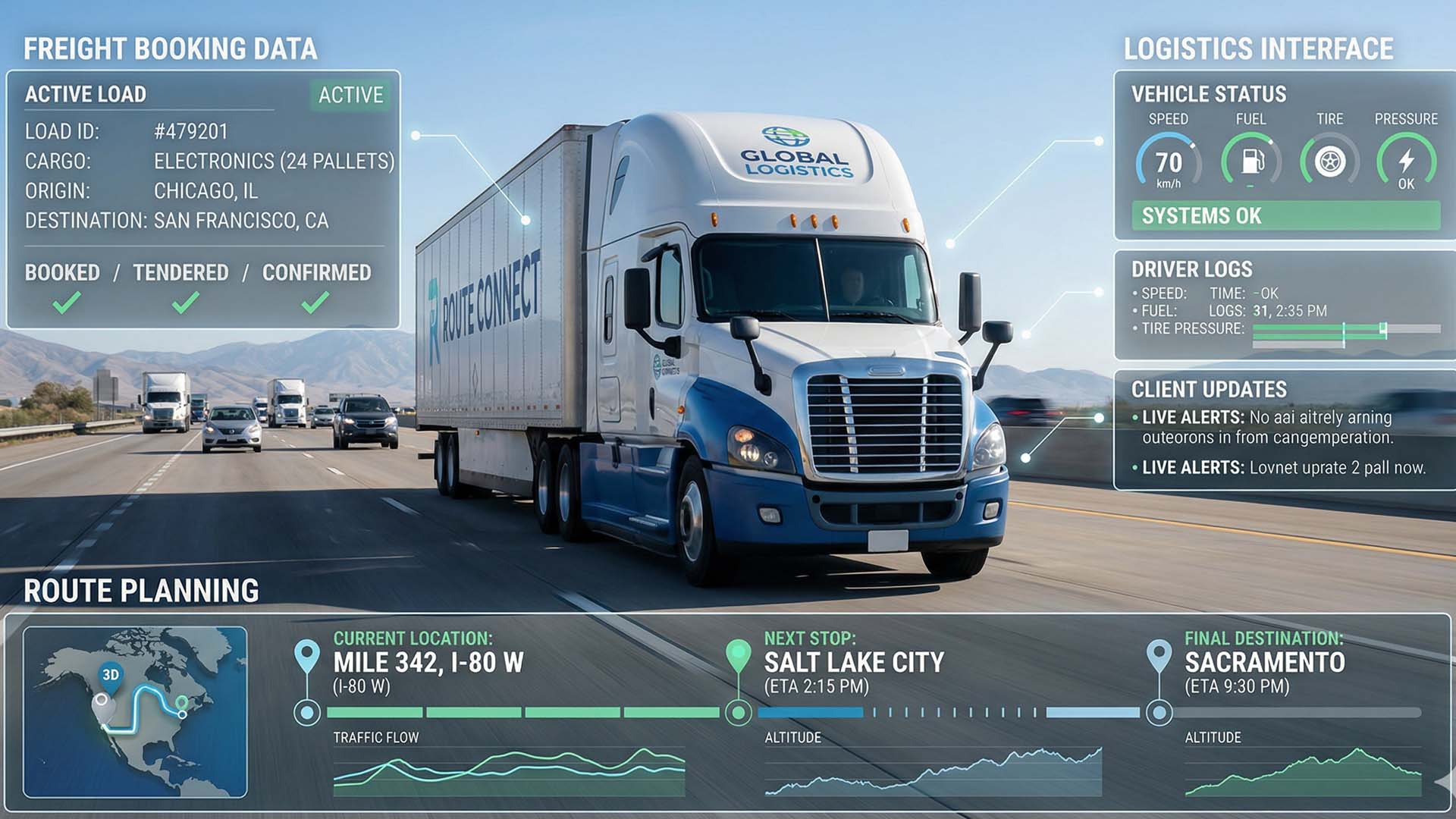
Load booking in truck dispatching means securing freight for a truck or carrier by matching available loads with the truck’s location, equipment type, schedule, and delivery needs. Dispatchers use load boards, broker communication, and trip planning to select loads that are practical and profitable.
Step 1: Finding Available Loads
The first step in load booking is searching for available freight. Dispatchers usually look for loads based on truck type, pickup location, delivery area, and timing. The goal is to find loads that match the carrier’s availability and route preferences.
Step 2: Checking Load Details
Before contacting a broker, dispatchers review important load information such as pickup and delivery times, rate, mileage, commodity type, equipment requirements, and any special instructions. This helps avoid booking loads that create unnecessary risk or poor profit margins.
Step 3: Contacting the Broker
Once a suitable load is found, the dispatcher contacts the broker to ask whether the load is still available. During this conversation, dispatchers may confirm details, ask questions, and begin discussing the rate and terms.
Step 4: Negotiating the Rate
Rate negotiation is an important part of load booking. Dispatchers try to secure the best possible rate while keeping the trip realistic for the driver and profitable for the carrier. Good communication and confidence are important in this step.
Step 5: Confirming the Load
After both sides agree, the broker sends a rate confirmation. The dispatcher reviews the paperwork, confirms the final details, and officially books the load for the carrier.
Step 6: Sending Load Details to the Driver
After the load is booked, the dispatcher shares all trip information with the driver, including pickup location, delivery instructions, timing, and any broker-specific requirements. This ensures the driver is prepared before starting the trip.
Common Mistakes Beginners Make
Many beginners focus only on the load rate and forget to review important details such as deadhead miles, delivery timing, broker reliability, and trip practicality. Successful load booking requires attention to both money and operational details.
Why Load Booking Is an Important Dispatching Skill
Load booking is one of the core responsibilities of a truck dispatcher because it directly affects carrier revenue, route planning, and driver efficiency. A dispatcher who understands how to book loads properly can make better business decisions and support smoother operations.
Final Thoughts
Learning how load booking works in truck dispatching is one of the first major steps for beginners entering the industry. Once you understand how to search, evaluate, negotiate, and confirm loads, you build a strong foundation for real dispatch work.
Frequently Asked Questions
What is load booking in truck dispatching?
Load booking is the process of finding and confirming freight for a carrier by communicating with brokers and reviewing load details.
Do truck dispatchers negotiate load rates?
Yes, dispatchers often negotiate with brokers to secure better rates for carriers.
Is load booking hard for beginners?
It can feel challenging at first, but with proper training and practice, beginners can learn the process step by step.